Morphological and Phenological Response of Pepper Plants to Selenium Nanoparticles Supplementation
DOI:
https://doi.org/10.28940/terra.v43i.2084Keywords:
biostimulation, precocity, yield, profitabilityAbstract
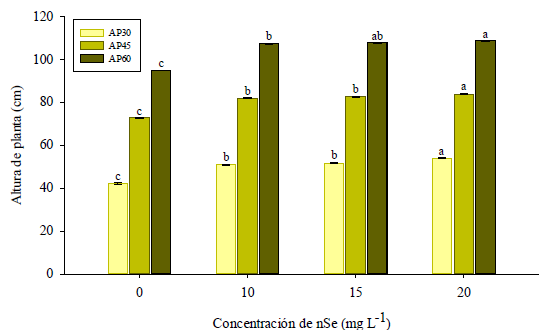
Pepper cultivation represents an agricultural and economically important activity for the regions of Ecuador, given the increase in consumption and search for nutritional quality products with good appearance. Emerging nanotechnology applied to agriculture is seen as a safe and ef fective way to take advantage of resources, either as a nanofertilizer or as a biostimulant. Thus, the objective of the present study is to evaluate foliar selenium nanoparticle (nSe) application impact on pepper crop morphology, phenology, and yield, as well as the profitability index of nanotechnology applicability in this culture system. The nSe treatments consist of foliar sprays at 10, 15 and 20 mg L−1 and a control treatment. Morphological indices, fruit quality, and benefit/cost ratio of the treatments were evaluated. The results suggest a positive nSe impact on jalapeño pepper plants, showing increases in plant growth (>40%), improvement in fruit physical quality (>20%), and a yield promotion by more than 30%. In addition, a higher net income than conventional pepper production has shown a benefit/cost ratio of 4.91 when applying 20 mg L−1 of nSe. On the other hand, a precocity was noted in the plants, since they had significantly earlier blooms in the nSe treatments.
Downloads